Roof Ventilation Mistakes Common in Belleview Homes
March 9, 2026
•
Written By
Vito's Roofing LLC
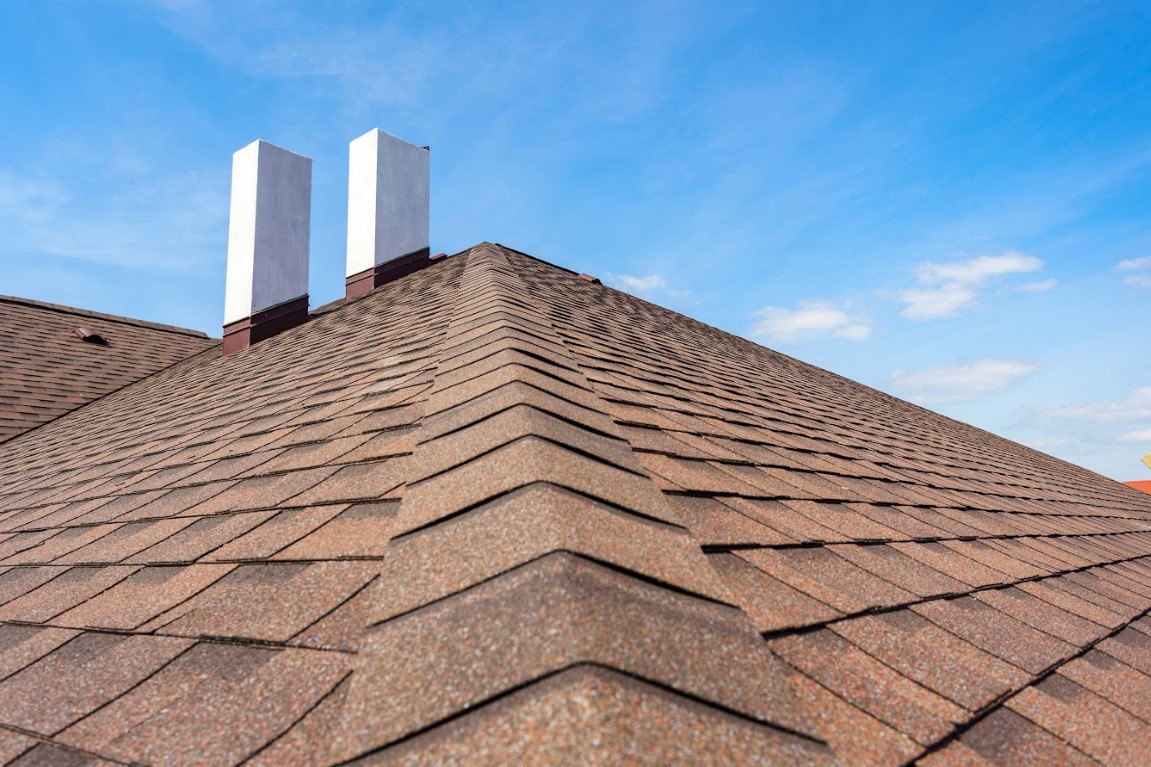
In Belleview, hot afternoons and heavy summer rain can put a lot of stress on a roof. When roof ventilation is off, that trapped heat and moisture can hurt shingles, raise energy bills, and reduce healthy attic airflow.
A lot of homeowners don’t realize there’s a problem until they notice higher cooling costs, musty attic air, or signs of wear long before they expected them. Poor ventilation can quietly shorten a roof’s life.
At Vito’s Roofing LLC, we help Central Florida homeowners spot issues before they turn into costly repairs. This guide breaks down the most common ventilation mistakes in Belleview homes and what to do next.
Key Takeaways
- Roof ventilation works best when intake and exhaust stay balanced.
- Poor attic airflow can lead to heat buildup, moisture problems, and early roof wear.
- Belleview homeowners can avoid common mistakes by working with a trusted local roofer who understands Florida conditions.
If you’re not sure whether your roof is venting the right way, Vito’s Roofing LLC is here to help with honest answers and reliable support.
The Basics of Roof Ventilation for Belleview Homes
Roof ventilation is the system that helps air move through your attic. Fresh air comes in through intake vents, usually near the soffits, and warmer air exits through exhaust vents near the top of the roof.
That movement matters more than many homeowners think. Good attic airflow helps control heat and moisture, which protects shingles, roof decking, insulation, and even indoor comfort. When ventilation is poor, your attic can trap hot, damp air that puts extra strain on the whole roofing system.
In Belleview, that problem can show up fast. Long stretches of heat, strong sun, and Florida humidity can create the perfect setup for moisture buildup and overheating. That can lead to warped materials, mold concerns, and shingles aging faster than they should.
Ventilation also isn’t just about having vents on the roof. It’s about how the whole system works together. If intake is blocked, exhaust is mixed incorrectly, or vents are placed in the wrong spots, the system can underperform even when it looks fine from the outside.
That’s why homeowners shouldn’t treat ventilation as a small detail. It plays a big role in roof life, indoor comfort, and long-term repair costs. If your roof seems to run hot or your attic feels stuffy, it may be time to take a closer look.
Important Factors to Consider Before Fixing Roof Ventilation
Before you make changes to roof ventilation, it helps to step back and look at the full picture. The right solution depends on how your roof is built, how your attic is insulated, and how air is supposed to move through the space.
Vent Type
What kind of vents does your home already have?
Ridge vents, box vents, turbines, and powered vents all work differently. Mixing them the wrong way can hurt attic airflow instead of helping it.
Intake vs. Exhaust
Is your system balanced?
Intake vents bring air in, while exhaust vents push warm air out. Too much of one and not enough of the other can make the system ineffective.
Blocked Pathways
Are soffits or interior vent paths clogged?
Insulation, dirt, paint, and debris can block intake vents and reduce airflow through the attic.
Roof Design
Does your roof shape limit your options?
A home’s slope, ridge length, and attic layout all affect which ventilation approach works best.

Repair vs. Upgrade
Do you need a simple fix or a larger correction?
Sometimes cleaning vents solves the issue. Other times, a full ventilation redesign makes more sense.
Professional Help
Are you comfortable working around roofing components and attic spaces?
Ventilation mistakes can affect warranties, energy performance, and moisture control, so many homeowners decide it’s safer to bring in a pro.
When you understand these factors, you can make a better choice for your home without guessing.
What Roof Ventilation Problems Usually Look Like in Belleview Homes
Start With The Intake Side
Many ventilation problems begin at the bottom of the system. If soffit vents are blocked by insulation, dust, or old paint, fresh air can’t enter the attic the way it should.
Without that intake, the rest of the system struggles. Even a strong exhaust setup can’t do much if there’s not enough incoming air to support it.
Watch For Mixed Exhaust Systems
One of the most common mistakes is combining different exhaust vents in the same attic space. A homeowner may already have box vents, then add a ridge vent later, thinking that more ventilation must be better.
Usually, it isn’t. Mixed exhaust systems can short-circuit airflow, which means the vents compete with each other instead of moving air evenly through the attic.
Check Vent Placement Carefully
Vent placement matters just as much as vent type. Intake vents should sit low, while exhaust vents should sit high so warm air can rise and leave the attic naturally.
If exhaust vents are installed too low, or if intake vents are too high, attic airflow can weaken. That leaves parts of the attic hot, damp, and poorly ventilated.

Don’t Overlook Faulty Active Vents
Some homes have powered attic fans or turbines. These can help in certain cases, but only if they actually work.
A broken motor, bad wiring, rusted turbine, or damaged fan can make a homeowner think ventilation is in place when it really isn’t. That false sense of security can delay needed repairs.
Look For Signs Inside The Home Too
Ventilation issues don’t always announce themselves from the roofline. You may notice hot upstairs rooms, rising cooling costs, musty attic smells, or shingles wearing faster than expected.
Those signs don’t always mean ventilation is the only issue, but they’re a strong reason to have the system checked.
If your home is showing any of these warning signs, Vito’s Roofing LLC can help you sort out what’s going on and what fix makes the most sense.
For Most Belleview Homes, Good Roof Ventilation Comes Down to Balance
At Vito’s Roofing LLC, we believe homeowners deserve clear advice and quality roofing solutions that make sense for real life. When it comes to roof ventilation, the goal is simple: balanced intake, balanced exhaust, and steady attic airflow.
- Blocked soffits: Reduced intake can weaken the whole system.
- Mixed exhaust vents: Competing vent types can short-circuit airflow.
- Bad vent placement: Air won’t move correctly through the attic.
- Faulty fans or turbines: Active systems must actually work to help.
- Hidden warning signs: High energy bills, heat, and moisture can point to bigger issues.
You don’t have to sort through those problems alone. A trusted local roofer can help you figure out whether your ventilation needs a simple fix or a bigger correction.
Roof Ventilation FAQ for Belleview Homeowners
What are the most common roof ventilation mistakes in Belleview homes?
The most common roof ventilation mistakes in Belleview homes include blocked soffit vents, mixed exhaust systems, poor vent placement, and weak attic airflow. These issues can trap heat and moisture in the attic and shorten roof life.
How do I know if roof ventilation is affecting attic airflow in my home?
Roof ventilation problems affecting attic airflow often show up as hot upstairs rooms, musty attic smells, high cooling bills, or shingles aging too fast. A professional roof evaluation can confirm whether ventilation is part of the problem.
Can poor roof ventilation damage shingles in Belleview?
Yes, poor roof ventilation can damage shingles in Belleview by allowing excess heat and moisture to build up in the attic. Over time, that can contribute to premature wear and reduced roof performance.
Should roof ventilation include both intake and exhaust vents?
Yes, roof ventilation should include both intake and exhaust vents to support balanced attic airflow. Without both parts working together, the system usually can’t move air the way it should.
When Belleview Heat Builds Up, Roof Ventilation Matters More Than You Think
In Belleview, it doesn’t take long for heat and humidity to build up in an attic. When roof ventilation is off, small problems can quietly turn into bigger ones that affect comfort, roof life, and repair costs.
That’s why it helps to work with a contractor who knows what to look for and explains it clearly. Vito’s Roofing LLC is family-owned, locally trusted, and proud to serve Belleview and surrounding Central Florida communities with honest service, expert craftsmanship, and dependable care.
If you’re concerned about roof ventilation or poor attic airflow, our team is ready to help you find the right solution for your home. Request a free quote today.
Recent Articles
How Humidity Affects Roof Structures in Summerfield, FL
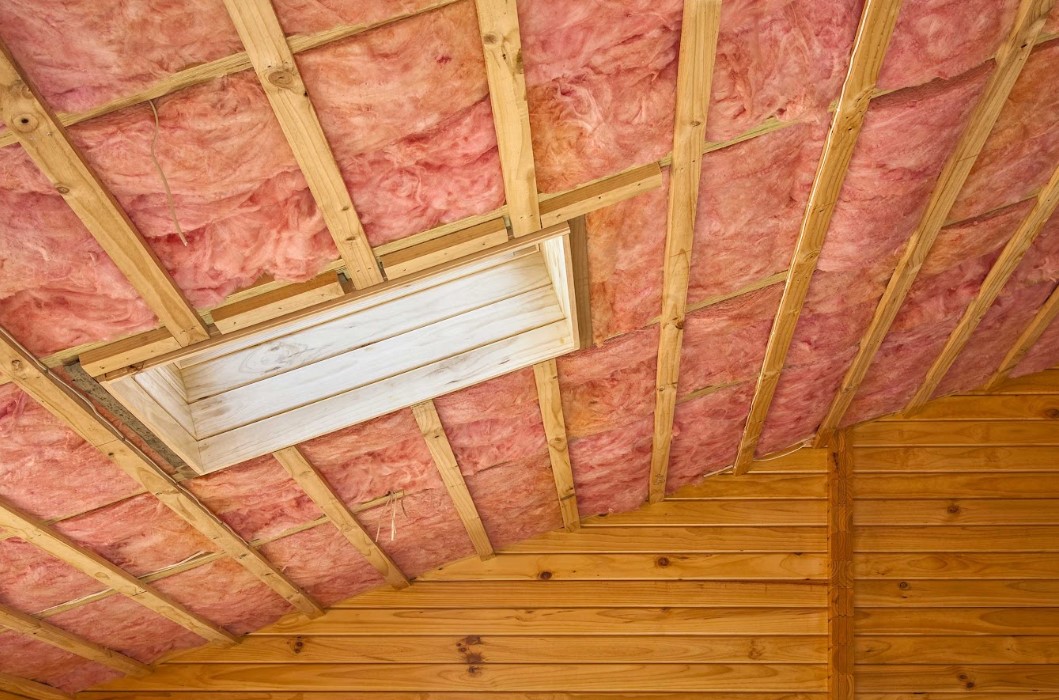
Humidity can contribute to moisture buildup, mold growth, wood deterioration, and corrosion, especially when a roof has leaks or the attic does not have adequate ventilation.
August 18, 2026

Storm-Resistant Roofing Options for Central Florida
Compare the best storm-resistant roofing options for Central Florida properties, learn how to prevent severe hurricane damage, and find out which shingle or metal systems offer the strongest wind protection.
July 17, 2026
Roof Replacement Timelines: What Tampa Homeowners Expect
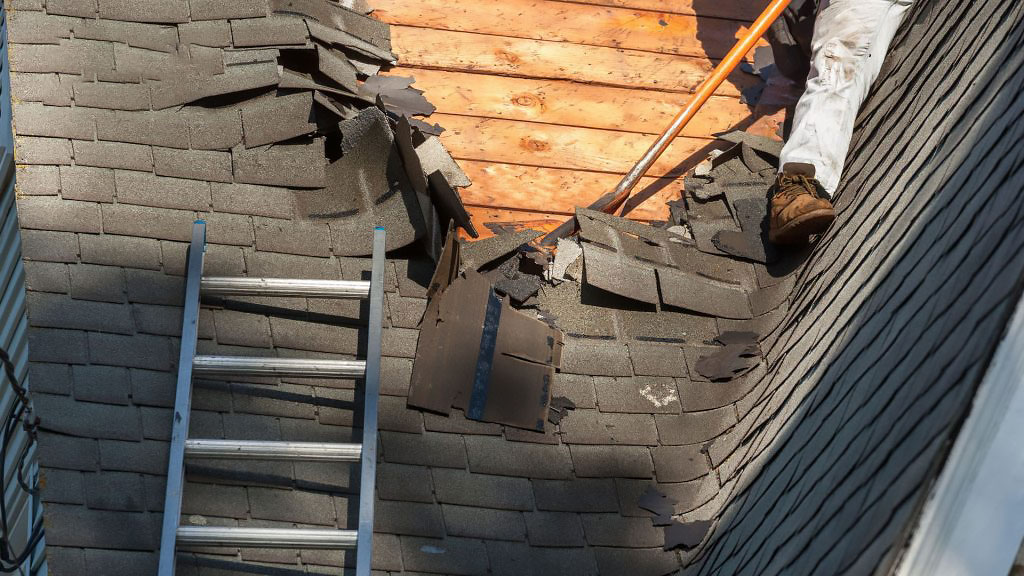
Discover the realistic roof replacement timeline for your Tampa home, understand the permitting logistics, and learn how to prepare for installation day.
June 4, 2026
Can Moss Damage Roofs in Morriston’s Shaded Areas?
Learn how tree shade and humidity allow moss to grow on Morriston roofs, discover the structural damage it causes, and find out how regular roof maintenance keeps your home safe.
June 3, 2026