
Why Roof Flashing Fails on Older Orlando Homes
April 4, 2026
•
Written By
Vitos Roofing
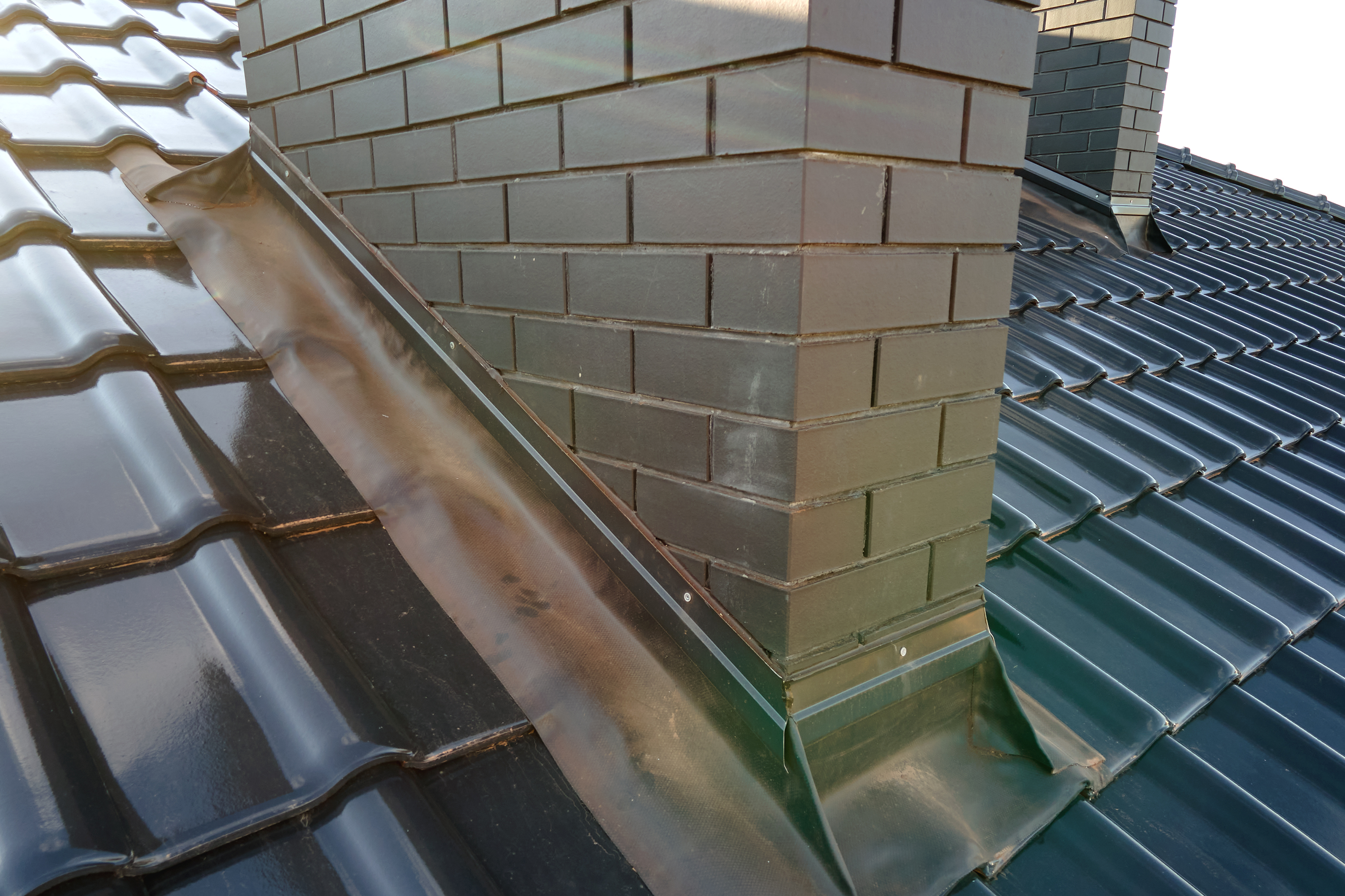
A Roof Flashing & Leak Prevention Guide for Central Florida
Central Florida storms have a way of finding the weakest point on your roof. A home can look solid from the outside, but after one heavy rain, water shows up where it shouldn’t. On many older Orlando homes, that weak point is not the shingles. It’s the flashing.
Homeowners researching roof flashing repair and leak prevention in areas like Ocala, FL often notice the same pattern. On aging homes, flashing tends to break down before other roofing materials show clear signs of wear.
In many cases, it’s the first warning sign that your roof system needs attention.
What this guide covers
- Why roof flashing fails on older Orlando homes
- Which types of flashing are most vulnerable
- How to recognize flashing-related leaks early
- What it takes to prevent repeat issues
If you think your roof may be at risk, Vito’s Roofing LLC can help evaluate the situation and recommend the right solution.
Request your free quote today.
Answer First: Why does roof flashing fail on older Orlando homes?
Roof flashing fails on older Orlando homes because aging materials, outdated installation methods, and long-term exposure to heat and moisture cause it to loosen, corrode, or separate, leading to water intrusion.
.png)
Why roof flashing is often the first failure point on older homes
To understand why this happens, it helps to look at how older roofs were built and how they respond to Florida’s climate over time.
In Central Florida, repeated rain, humidity, and temperature swings put constant stress on roofing systems. On older homes, flashing sits in the most exposed areas, which makes it the first place problems develop.
What roof flashing does in your roof system
Roof flashing is installed at transition points where water naturally collects, including:
- Chimneys
- Roof-to-wall intersections
- Vents and penetrations
- Valleys
Its role is simple but critical. It redirects water away from seams that would otherwise allow leaks.
Why flashing fails before other materials
Unlike shingles, flashing handles concentrated water flow and movement. Over time, that leads to:
- Sealant breakdown
- Fastener loosening
- Material fatigue
Because of this, flashing often shows failure first, especially on older homes.
Why this matters for leak prevention
When flashing begins to fail, water can enter quickly and spread before visible signs appear. That’s why early detection plays such a big role in long-term leak prevention.
If your home is older, checking flashing regularly can prevent bigger repairs. Request your free quote today.
What to consider before fixing flashing issues on an older roof
Once flashing starts to fail, the next step is deciding how to address it properly.
Roof age: A major factor in failure
Older roofs are more likely to have flashing that has reached the end of its lifespan.
Installation quality: Often outdated
Many older homes were built before modern standards were introduced, which can affect performance today.
Previous repairs: Can create weak points
Layered fixes over time can make flashing more prone to future leaks.
Budget: Repair vs replacement
Some issues can be repaired, but older systems often benefit from a more complete solution.
If your roof is already showing signs of trouble, it may be time to:
- Repair roof leaks before they spread
- Identify storm-related roof damage
- Replace an aging roofing system
Taking action early helps keep repairs manageable. Request your free quote today.
Why roof flashing fails more often on older Orlando homes
Now let’s focus on the factors that make older homes more vulnerable.
Outdated installation methods
Older roofs were installed using techniques that may not align with today’s standards. This can lead to weaker seals and reduced water control.
Long-term material wear
Years of exposure to heat and moisture cause flashing materials to expand, contract, and eventually weaken.
Limited moisture protection underneath
Older roofing systems often lack the advanced underlayment used today. When flashing fails, there is less backup protection in place.
Repeated repairs over time
Many older roofs have been patched multiple times. While these repairs may stop leaks temporarily, they can compromise the overall system.
Types of roof flashing most likely to fail on older homes
Understanding where flashing fails helps you know where to look.
Step flashing
Located along walls, this type often loosens over time due to movement and weather exposure.
Counter flashing
Designed to protect step flashing, it can fail when sealants dry out or crack.
Valley flashing
Handles heavy water flow. On older roofs, improper installation or wear can lead to leaks.
Vent pipe flashing
Often includes rubber components that degrade faster under Florida heat.
Each of these areas is directly tied to common leak points on older homes.
Roof leak or flashing failure? How to tell the difference
Not every leak comes from the same source, but on older homes, flashing is often the cause.
Signs of flashing-related leaks
- Water near chimneys, vents, or walls
- Leaks that appear after heavy rain
Signs of other roofing issues
- Leaks in open areas of the roof
- Missing or damaged shingles
Understanding the difference helps you address the right issue quickly and improves overall leak prevention.
How flashing failure leads to larger problems over time
Flashing problems rarely stay contained.
Once water gets past flashing:
- Roof decking can begin to deteriorate
- Moisture can spread beneath materials
- Structural damage may develop
In older homes, where protective layers may already be limited, this process can happen faster.
What it costs to repair or replace roof flashing
Cost is often a concern, especially when issues appear unexpectedly.
Typical ranges
- Minor flashing repair: $300–$1,500
- Larger repairs or replacement: Varies based on scope
What affects the cost
- Extent of damage
- Roof accessibility
- Type of materials used
Addressing flashing issues early is one of the most effective ways to control costs.
How to prevent roof flashing failure in Central Florida
Preventing flashing issues is always easier than fixing them after the fact.
Practical steps for homeowners
- Schedule yearly roof inspections
- Check flashing after major storms
- Address small issues quickly
- Replace aging components before failure
Consistent maintenance supports long-term leak prevention and helps your roof perform better over time.
Deep Dive: Why flashing performance declines over time
Flashing does not fail suddenly. It breaks down gradually under constant exposure.
Material performance over time
Common materials used on older homes include:
- Aluminum: Lightweight but prone to corrosion
- Galvanized steel: Durable but can rust
- Older sealants: Break down with age
Environmental impact
In climates like Ocala, FL, heat and humidity accelerate wear, especially at roof transitions where water collects.
Pros and cons of proactive replacement
Pros
- Reduces risk of leaks
- Extends roof lifespan
- Improves long-term performance
Cons
- Requires upfront investment
- May involve partial roof work
How Vito’s Roofing LLC helps
At Vito’s Roofing LLC, we help homeowners stay ahead of flashing issues with clear recommendations and reliable service. As a family-owned, locally trusted company serving Ocala and surrounding areas, we focus on practical solutions that protect your home.
We help you:
- Identify early signs of flashing failure
- Repair or replace damaged areas
- Strengthen your roof against future leaks
Recognized as HomeAdvisor Top Rated and Angi Certified, we are committed to delivering dependable results.
Protect your home before small issues grow. Request your free quote today.
.png)
Orlando Roof Flashing Problems on Older Homes: Leak Prevention Questions Answered
Before deciding how to handle flashing issues, most homeowners want clear answers about what causes failures and how to prevent leaks moving forward. These questions focus specifically on older Orlando homes and how roof flashing impacts long-term performance.
Protecting Older Orlando Homes from Roof Flashing Failure
Roof flashing may not be the most visible part of your roof, but it plays one of the most important roles.
On older homes, it is often the first component to fail. Addressing it early helps prevent leaks, reduce repair costs, and extend the life of your roof.
At Vito’s Roofing LLC, we focus on quality roofing solutions, honest service, and protecting your home’s future.
If your roof is showing signs of wear or you want to stay ahead of potential issues, request your free quote today and get guidance you can trust.
Recent Articles
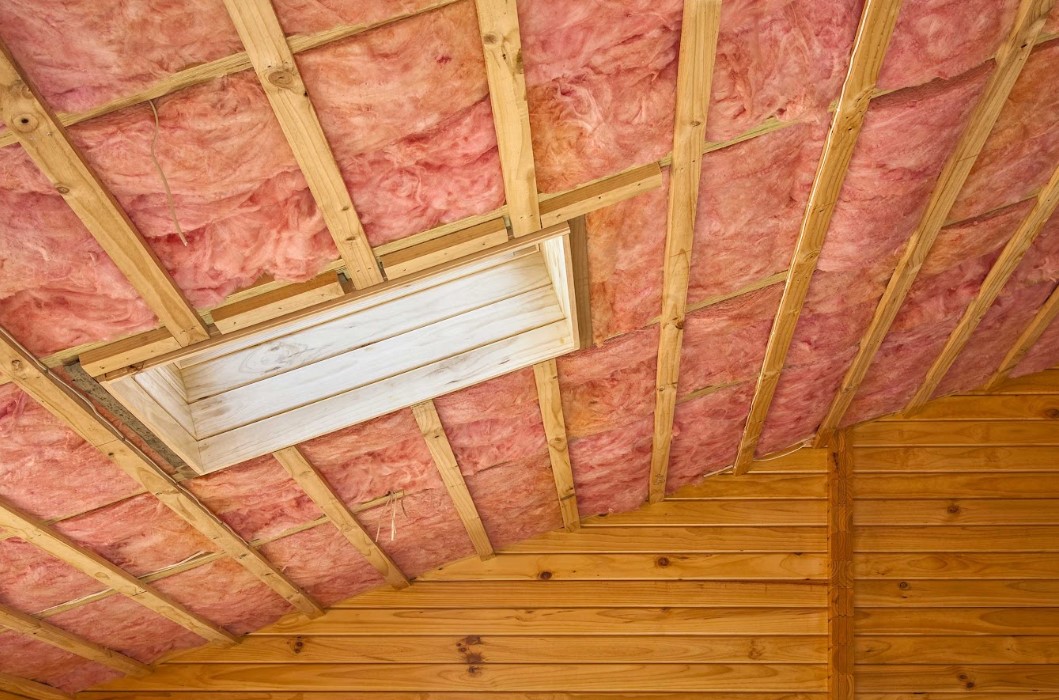
How Humidity Affects Roof Structures in Summerfield, FL
Humidity can contribute to moisture buildup, mold growth, wood deterioration, and corrosion, especially when a roof has leaks or the attic does not have adequate ventilation.
August 18, 2026

Storm-Resistant Roofing Options for Central Florida
Compare the best storm-resistant roofing options for Central Florida properties, learn how to prevent severe hurricane damage, and find out which shingle or metal systems offer the strongest wind protection.
July 17, 2026
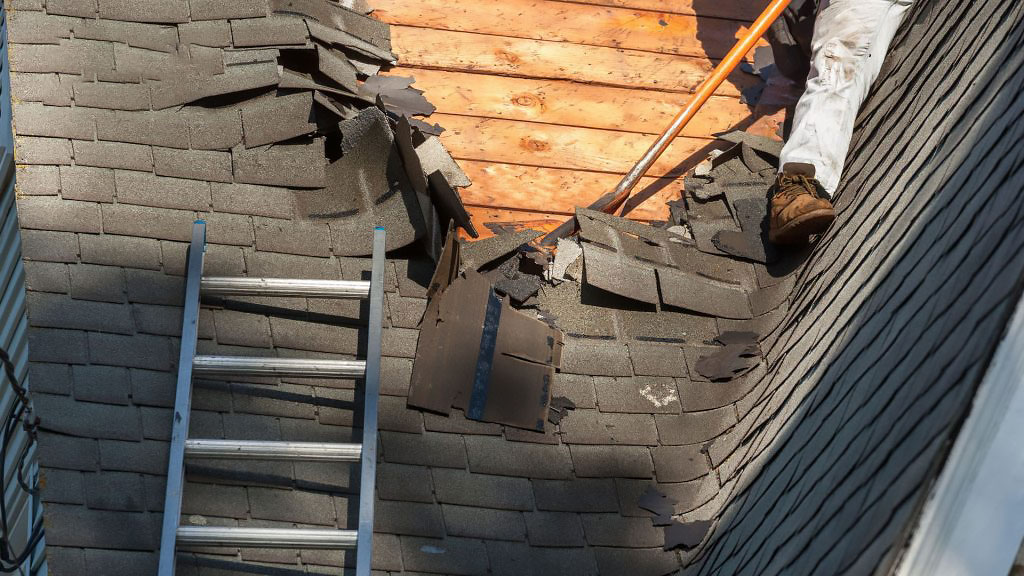
Roof Replacement Timelines: What Tampa Homeowners Expect
Discover the realistic roof replacement timeline for your Tampa home, understand the permitting logistics, and learn how to prepare for installation day.
June 4, 2026
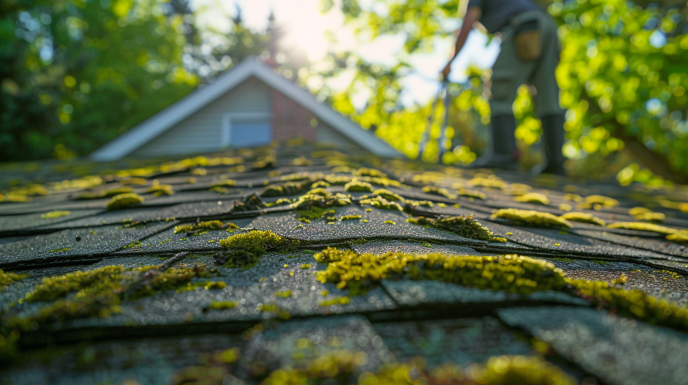
Can Moss Damage Roofs in Morriston’s Shaded Areas?
Learn how tree shade and humidity allow moss to grow on Morriston roofs, discover the structural damage it causes, and find out how regular roof maintenance keeps your home safe.
June 3, 2026