Wind Ratings Explained for Leesburg Roof Systems
April 3, 2026
•
Written By
Vitos Roofing
.jpg)
A Wind Resistance & Roofing Code Guide for Central Florida Homes
Storms in Central Florida rarely give much warning. Calm skies can turn into strong wind and heavy rain within minutes, putting your roof to the test. That’s why more homeowners are paying attention to wind resistance and local roofing codes in areas like Ocala, FL when planning repairs or replacements.
It’s also why, after a storm, many homeowners realize too late that their roof system was not designed for those conditions. Understanding wind ratings helps you avoid that situation and make smarter decisions ahead of time.
What this guide covers
- What wind ratings actually mean for your roof system
- How Florida roofing codes impact Leesburg homes
- How different roofing materials perform in high winds
- How to choose a system built for long-term protection
If you’re unsure how your current roof measures up, Vito’s Roofing LLC can help you evaluate your system and plan your next steps.
Request your free quote today.
Answer First: What do wind ratings mean for your roof?
Wind ratings measure how well a roofing system can resist uplift and stay intact during high winds. For homes in Leesburg and nearby areas around Ocala, FL, most modern systems are built to meet wind resistance standards between 110–130 mph based on current building requirements.
Why wind resistance matters for Leesburg roof systems
To understand wind ratings, it helps to first look at the conditions your roof faces year after year.
In Central Florida, repeated exposure to storms means your roof is constantly under stress. Even when storms are not severe, consistent wind pressure can weaken materials that are not built to handle it.
That’s where wind resistance becomes critical.
What wind resistance really includes
Wind resistance is not just about shingles. It’s about how the entire roof system performs together:
- Surface materials
- Underlayment
- Fasteners
- Flashing
If one component fails, the system can become vulnerable during high winds.
.jpg)
How roofing codes shape performance
Local roofing codes in regions like Ocala, FL are designed around wind performance. These standards define how roofs must be installed to handle regional weather patterns.
Why this matters for your home
- Reduces the risk of wind damage
- Helps your roof stay intact during storms
- Ensures your home meets current building requirements
If your roof was installed years ago, it may not meet today’s wind resistance expectations.
Want to know where your roof stands? Request your free quote today.
What to consider before choosing a wind-rated roofing system
Once you understand why wind resistance matters, the next step is choosing a system that meets those demands.
Budget: Balancing cost and protection
Higher wind-rated systems often cost more upfront, but they can reduce long-term repair costs.
Materials: Not all perform the same
Each material reaches wind resistance in a different way, which affects durability.
Installation: Where performance is decided
Even the best materials depend on proper installation to meet their rated performance.
Code compliance: A required baseline
Roofing systems must meet Florida building codes, especially in areas with frequent storms.
If your current system has already been affected by wind, it may be time to:
- Repair wind-damaged roofing
- Upgrade to a wind-resistant roof system
- Inspect storm damage after high winds
The right system starts with the right plan. Request your free quote today.
How Wind Ratings Apply to Leesburg Roof Systems
Now that the basics are clear, let’s connect wind ratings directly to real-world performance.
Wind uplift and what it means
Wind uplift is the force trying to lift your roof off your home. Roofing systems are tested to determine how much pressure they can handle before failing.
Higher ratings mean stronger resistance to that force.
Why installation plays a major role
Wind ratings are not just about materials. They rely heavily on how the system is installed.
- Nail placement: Keeps materials secured
- Adhesives: Strengthen resistance to uplift
- Underlayment: Adds an extra layer of protection
A properly installed roof system will perform much closer to its intended wind resistance rating.
Real-world example
Two homes with the same materials can perform very differently in a storm depending on installation quality. That’s why both material and workmanship matter.
Wind Rating Comparison for Common Leesburg Roofing Systems
With that in mind, here’s how common roofing systems compare in terms of wind performance:
Choosing the right material helps, but how it’s installed determines how well it holds up over time.
Need help comparing options? Request your free quote today.
Why Florida roofing codes are built around wind resistance
At this point, it’s clear that wind resistance is not optional. It’s built into how roofs are designed across the state.
Why codes are stricter here
- Frequent storm activity
- Exposure to high wind events
- Lessons learned from past storm damage
Because of this, roofing codes in Florida have evolved to require stronger, more reliable systems.
What this means for Leesburg homeowners
- Your roof must meet minimum wind resistance standards
- Older systems may not comply
- Upgrading improves safety and long-term performance
Understanding these requirements helps you choose a roof that performs as expected.
How wind resistance affects insurance and long-term value
Wind ratings do not just affect how your roof performs. They can also influence financial decisions.
Why insurers pay attention
Insurance companies look at wind resistance because it directly affects risk. Stronger roofs are less likely to fail during storms.
What this means for you
- Better claim reliability
- Potential insurance advantages
- Increased home value
A roof that meets current standards in areas like Ocala, FL can provide both protection and long-term value.
What happens when a roof does not meet wind resistance standards?
When wind resistance is too low for local conditions, problems tend to show up quickly.
- Shingles can lift or detach
- Water intrusion becomes more likely
- Repairs become more frequent
- Replacement may be needed sooner
Meeting proper wind resistance standards helps avoid these issues and keeps your roof performing as it should.
Deep Dive: What determines wind resistance over time
Wind ratings are not just about installation day. They reflect how your roof system performs over years of exposure.
System components working together
Wind resistance depends on:
- Roof decking
- Underlayment
- Fasteners
- Surface materials
Each part contributes to the overall strength of the system.
Maintenance and inspections
Regular inspections help maintain performance by catching weak points before they become problems.
Pros and cons of higher wind-rated systems
Pros
- Better storm protection
- Longer-lasting performance
- Lower repair risk
Cons
- Higher upfront investment
- Requires experienced installation
.jpg)
How Vito’s Roofing LLC helps
At Vito’s Roofing LLC, we focus on building roofing systems that meet and exceed local wind resistance requirements. As a family-owned, locally trusted company serving Ocala and surrounding areas, we provide clear guidance and reliable workmanship.
We help you:
- Understand your roof’s wind rating
- Choose the right system
- Ensure proper installation
Recognized as HomeAdvisor Top Rated and Angi Certified, we are committed to protecting your home.
Upgrade your roof with confidence. Request your free quote today.
Leesburg Wind Resistance & Roofing Code Requirements: Key Questions Homeowners Ask
Before choosing a roof system, most homeowners want clear answers about wind resistance ratings, local roofing codes, and how those factors affect real-world performance. The questions below address the most important concerns for homes in this region.
Choosing the Right Wind-Resistant Roof System for Your Home
Choosing a roof system in Leesburg comes down to how well it performs under real wind conditions.
Meeting minimum requirements is a starting point. Choosing a system designed for long-term durability is what protects your home.
At Vito’s Roofing LLC, we believe in quality roofs, honest service, and protecting your home’s future.
If you are ready to upgrade your roof system and want guidance you can trust, request your free quote today and take the next step toward protecting your home.
Recent Articles
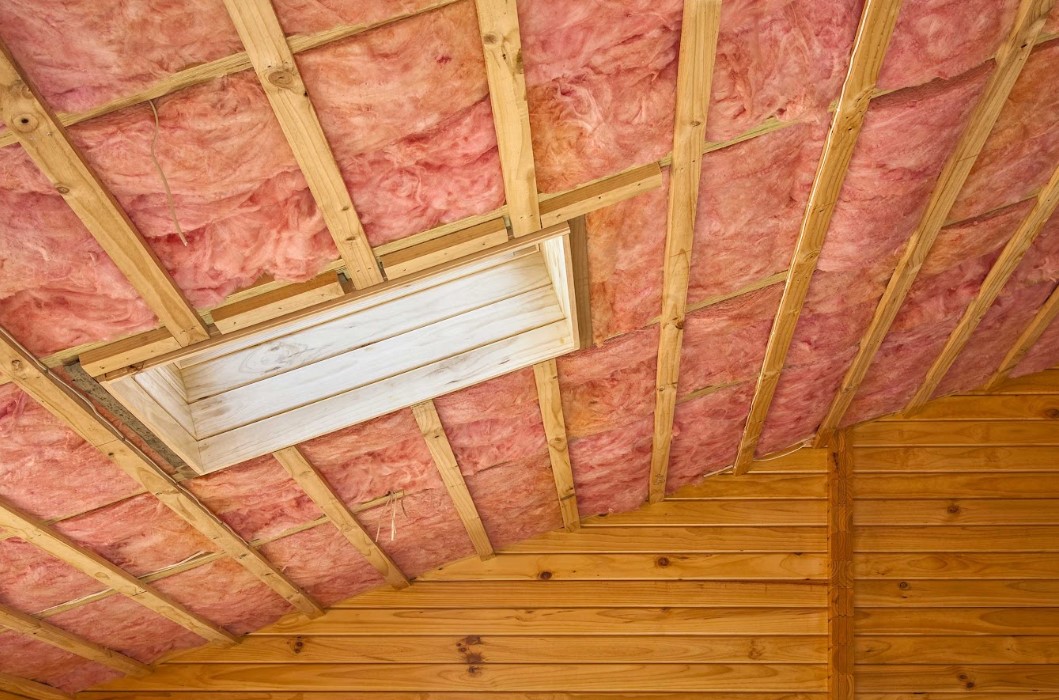
How Humidity Affects Roof Structures in Summerfield, FL
Humidity can contribute to moisture buildup, mold growth, wood deterioration, and corrosion, especially when a roof has leaks or the attic does not have adequate ventilation.
August 18, 2026
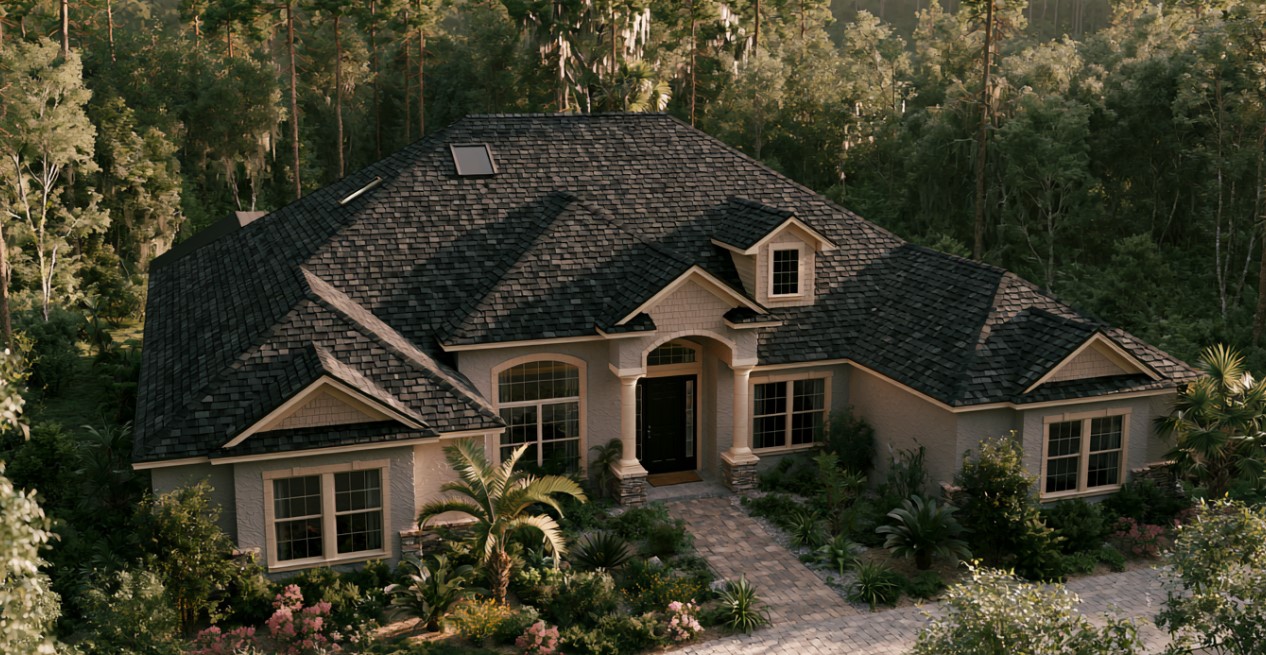
Storm-Resistant Roofing Options for Central Florida
Compare the best storm-resistant roofing options for Central Florida properties, learn how to prevent severe hurricane damage, and find out which shingle or metal systems offer the strongest wind protection.
July 17, 2026
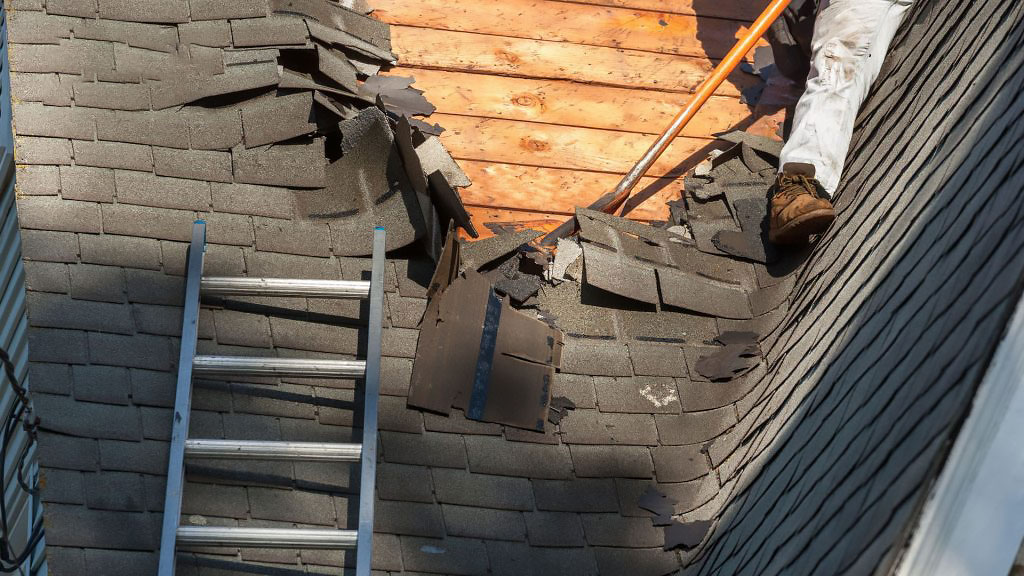
Roof Replacement Timelines: What Tampa Homeowners Expect
Discover the realistic roof replacement timeline for your Tampa home, understand the permitting logistics, and learn how to prepare for installation day.
June 4, 2026
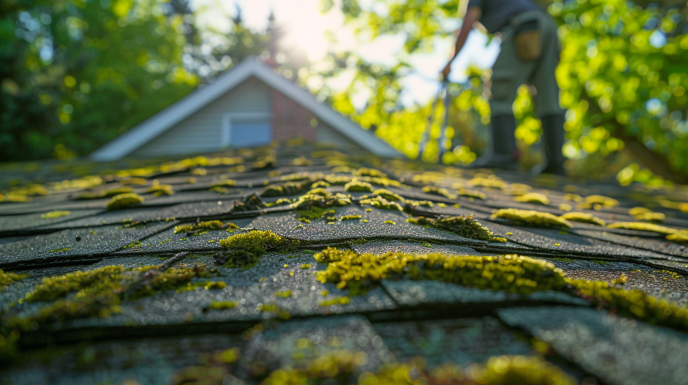
Can Moss Damage Roofs in Morriston’s Shaded Areas?
Learn how tree shade and humidity allow moss to grow on Morriston roofs, discover the structural damage it causes, and find out how regular roof maintenance keeps your home safe.
June 3, 2026